



Welcome to
ALGSA
Welcome to the Alagille Syndrome Alliance (ALGSA), a prominent and compassionate 501c3 nonprofit organization dedicated to serving individuals, caregivers, and families impacted by Alagille Syndrome (ALGS) on a global scale.
At ALGSA, we stand at the forefront of the fight against ALGS, tirelessly working to provide invaluable support, resources, and a sense of community to those facing this rare and challenging genetic disorder. Our mission is deeply rooted in enhancing the lives of patients and their loved ones, and we do so with unwavering commitment and expertise.
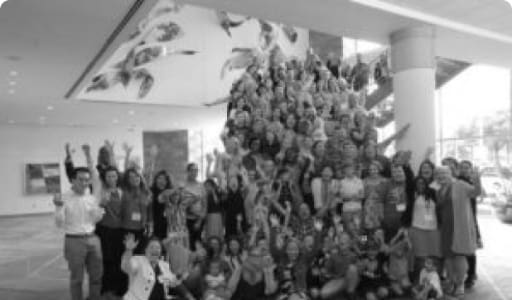
Our worldwide network of individuals and families affected by ALGS is the heart of our organization. Together, we strive to raise awareness, foster connections, and promote cutting-edge research aimed at better understanding and treating ALGS. With the power of collaboration and shared experiences, we are building a brighter future for everyone touched by this condition.
Join us in our mission to empower, educate, and advocate for individuals with ALGS. Together, we can make a significant difference in the lives of those affected by this rare disorder, offering hope, knowledge, and a supportive community that will endure for generations to come.
News
ALGSA Connection
ALGSA Connection highlights news that intertwines both ALGSA updates, national and global news articles about ALGS patients, industry and academia partners, the ALGSA, or other significant initiatives important to all ALGSA stakeholders.

Our Partners







What We Do


-
 Family & Caregiver Support
-
Advocacy & Awareness
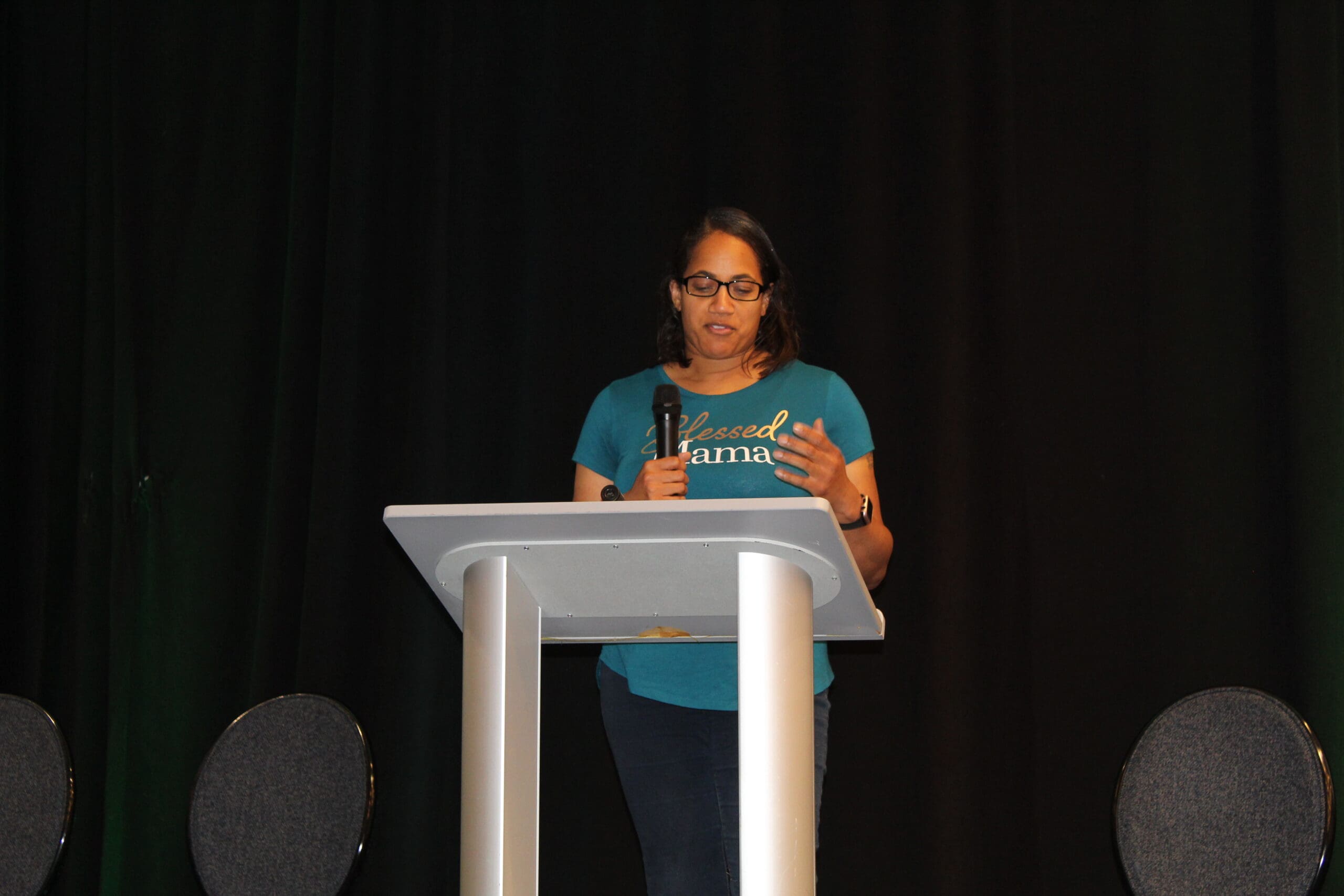
Advocacy and awareness of Alagille Syndrome is so important. Efforts in advocacy and awareness help improve legislature, increase science and research funding, advance scientific understanding of ALGS, educate communities, families, and greatly improves funding opportunities that urgently supports families around the world. Let us help you understand what opportunities are available and what might fit your needs with the time you have. Giving back to this community is such a wonderful gift.
-
Science & Research
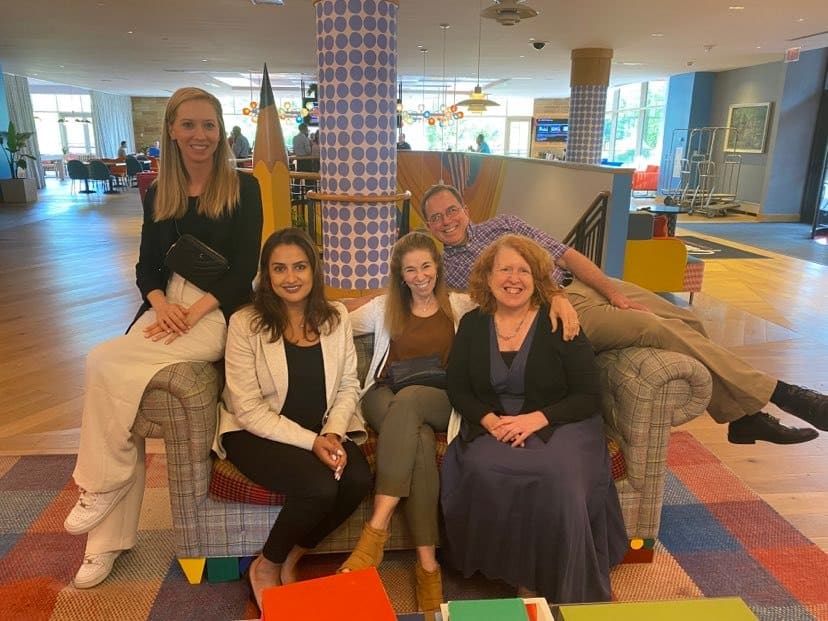
We are deeply involved in science and research initiatives for Alagille Syndrome. The ALGSA has a large ALGSA Collaborative Scientific Research Grant, supports the Global ALagille Alliance, has a 3-way Cooperative Research And Development Agreement (CRADA) with Travere Therapeutics and NCATS/NIH, and are involved in many other initiatives. We are eager to meet scientists and researchers working in the field, have the ability to help in many ways, and offer opportunities for scientists and researchers to meet families, engage in the community, and at events.
-
Family Conference & Events
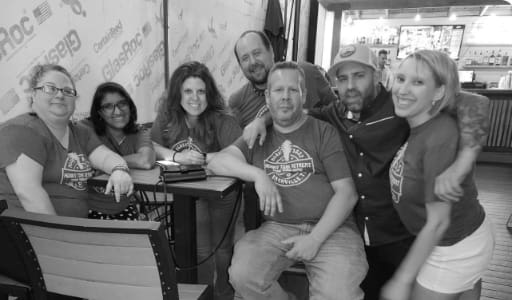
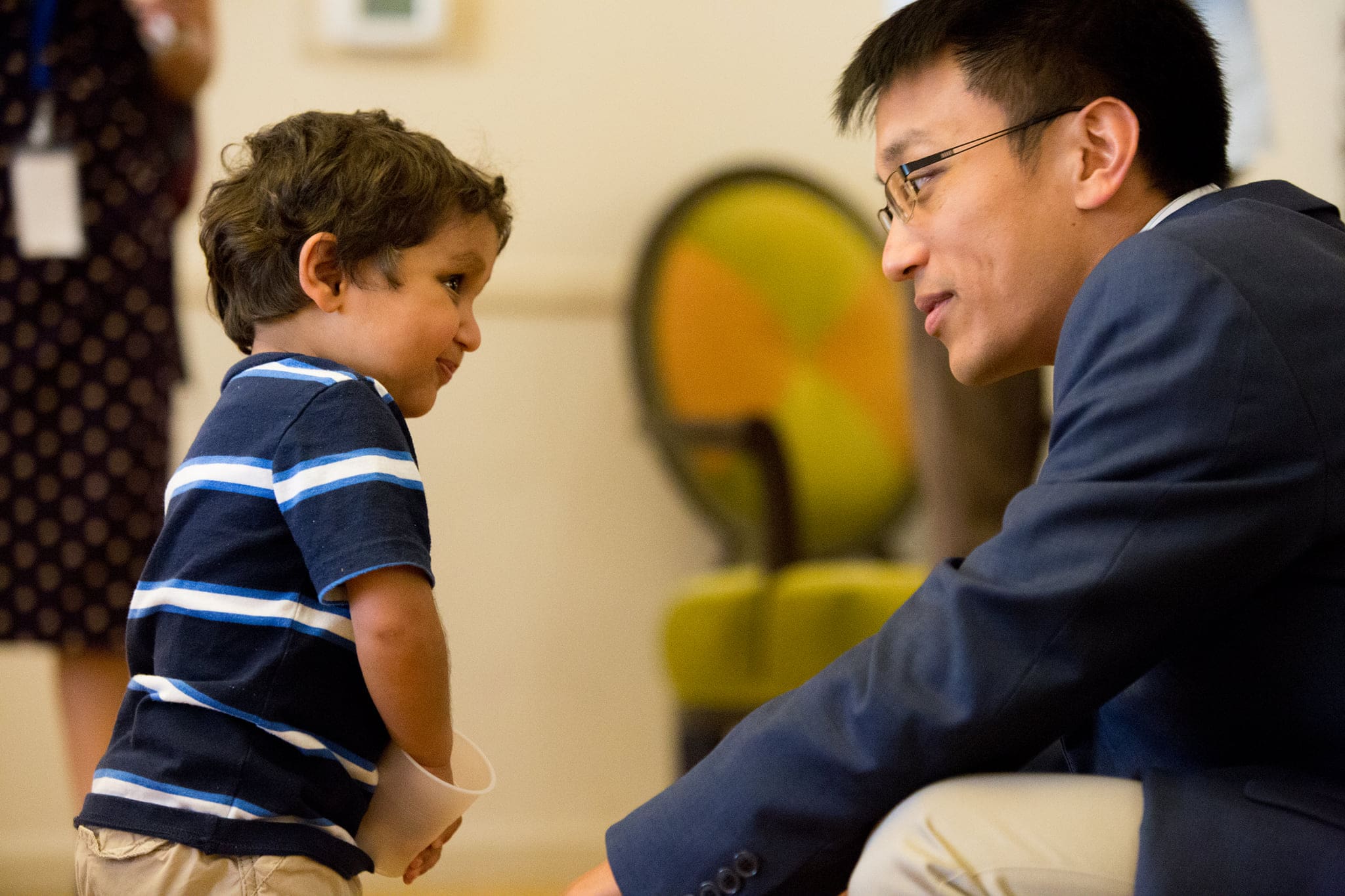
Events for families, industry partners, physicians and medical professionals, and scientists and researchers can be life changing. Many patients and families affected by ALGS have never met another family in-person and many scientists and researchers working in Alagille Syndrome do not get the opportunity to communicate with families or physicians about ALGS. Here at the ALGSA, we offer opportunities for all stakeholders to attend events, participate as speakers, meet families, share their work, and learn about Alagille Syndrome.
Family Stories

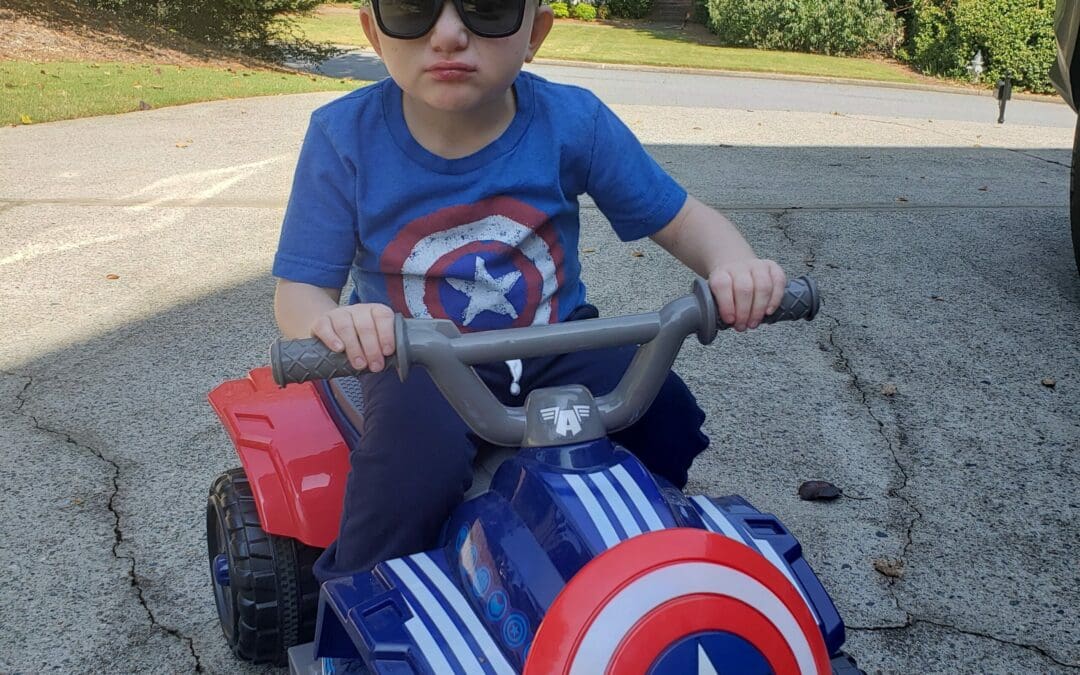
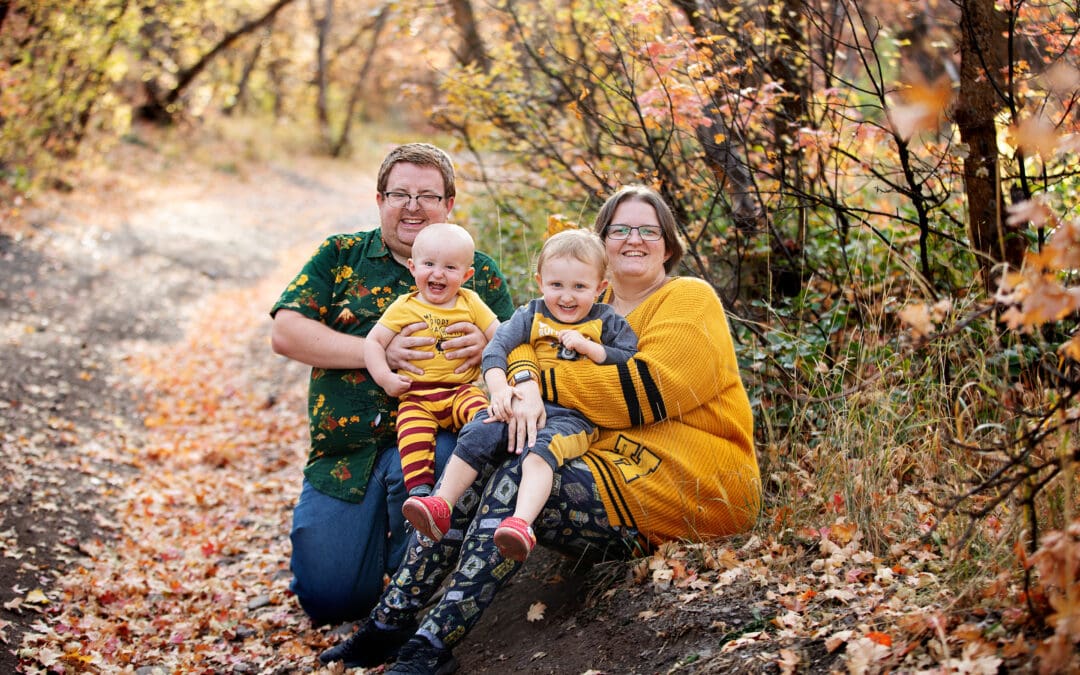
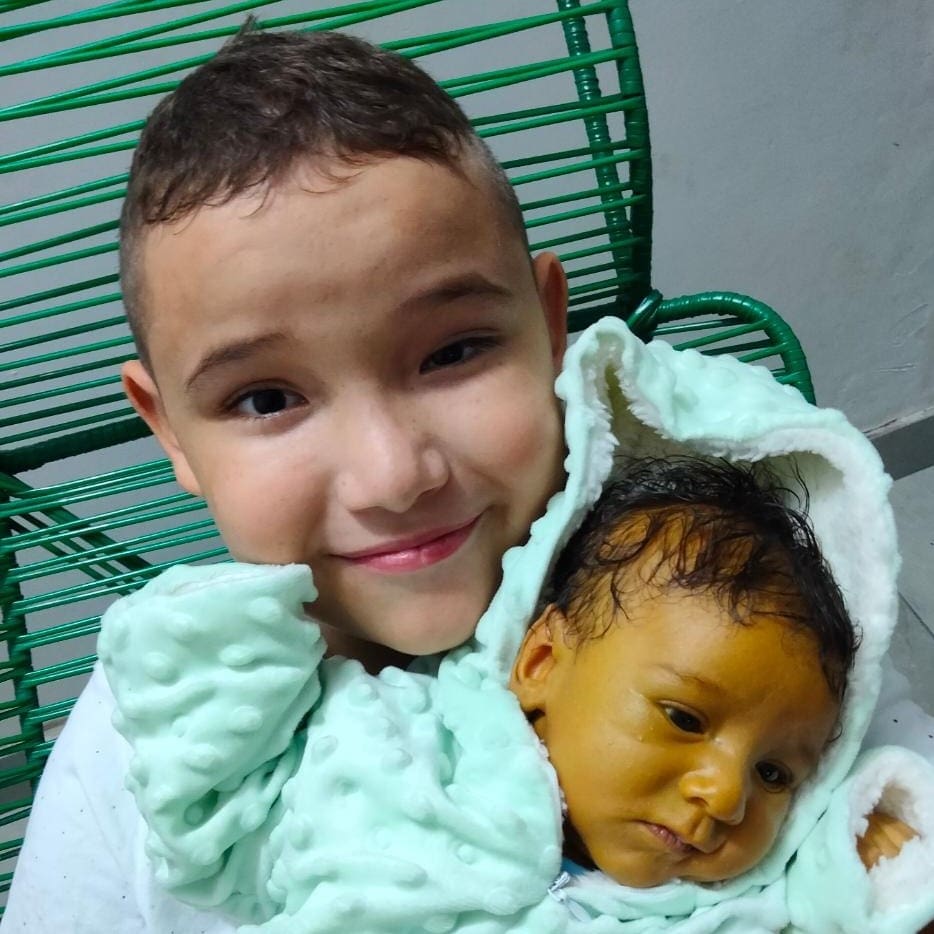
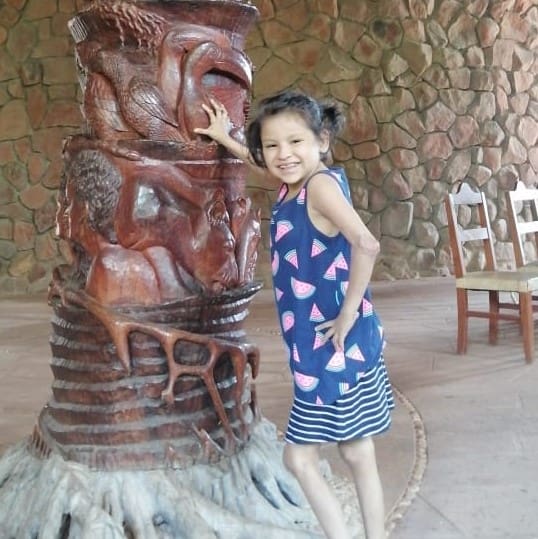
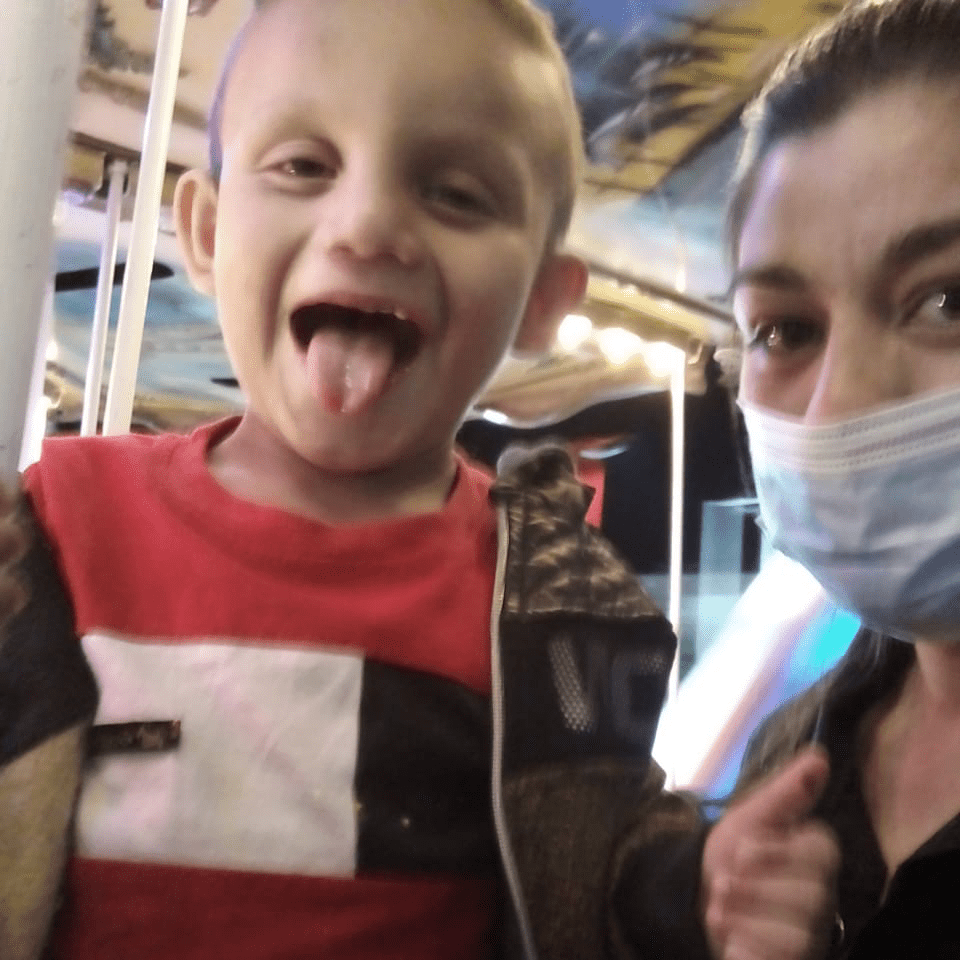
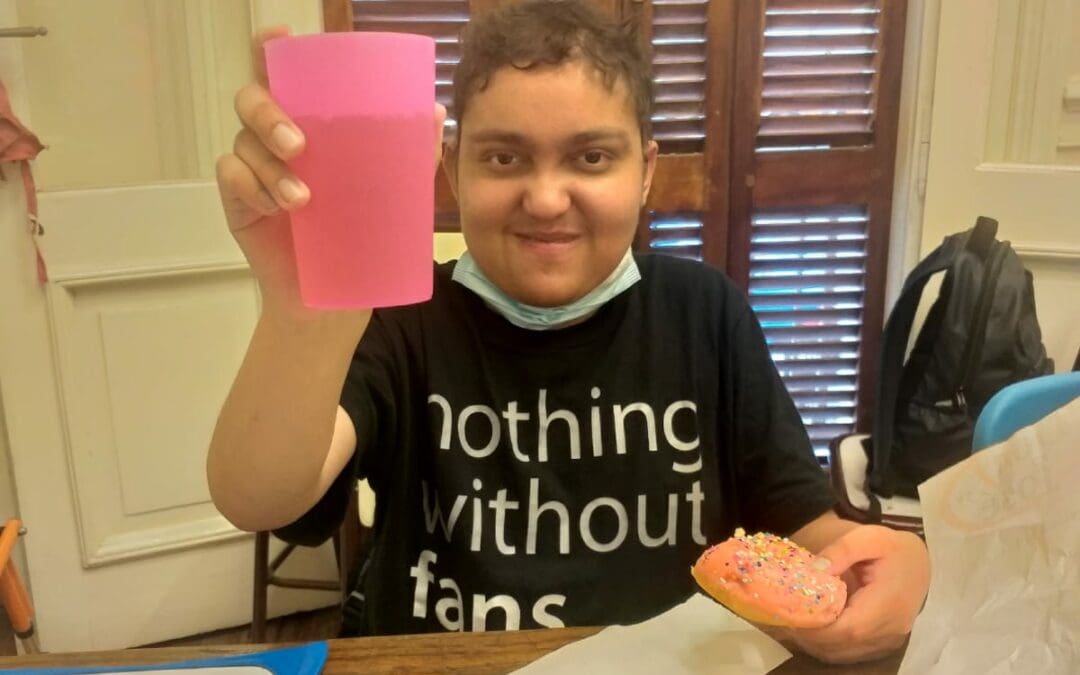
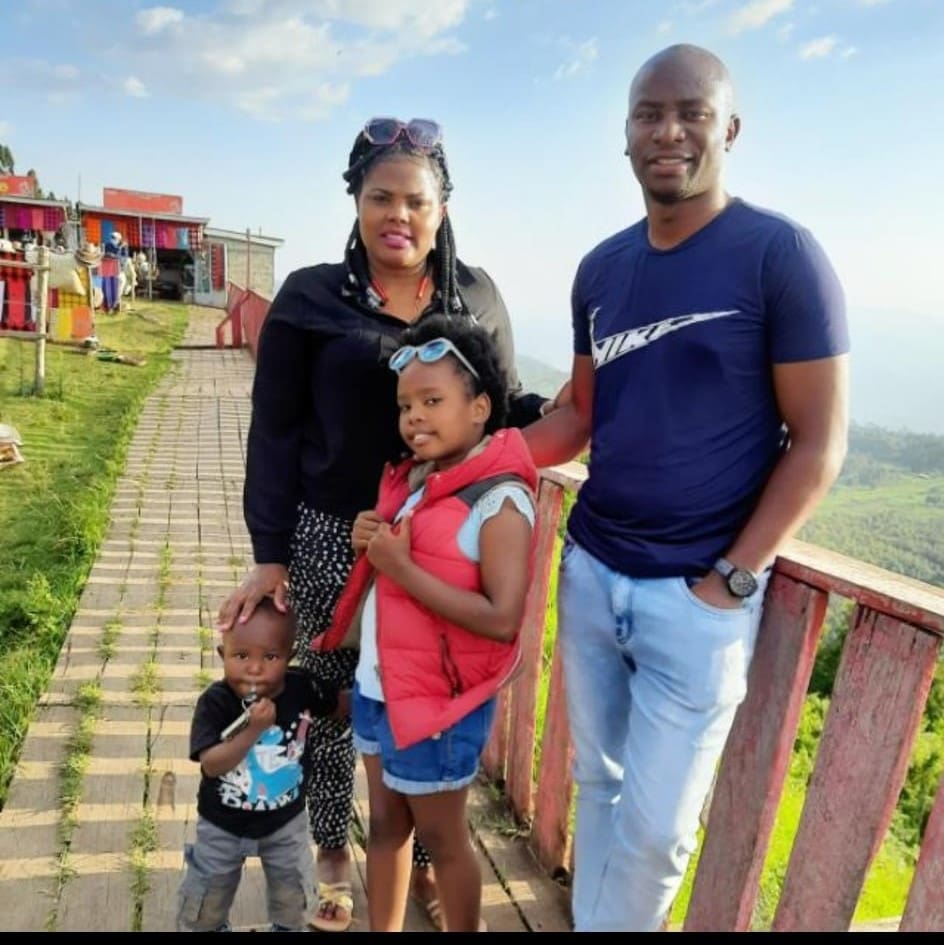
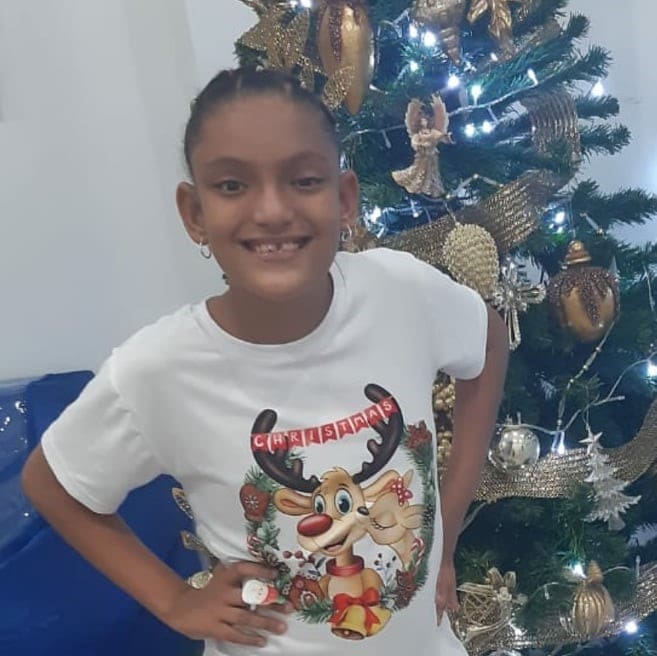
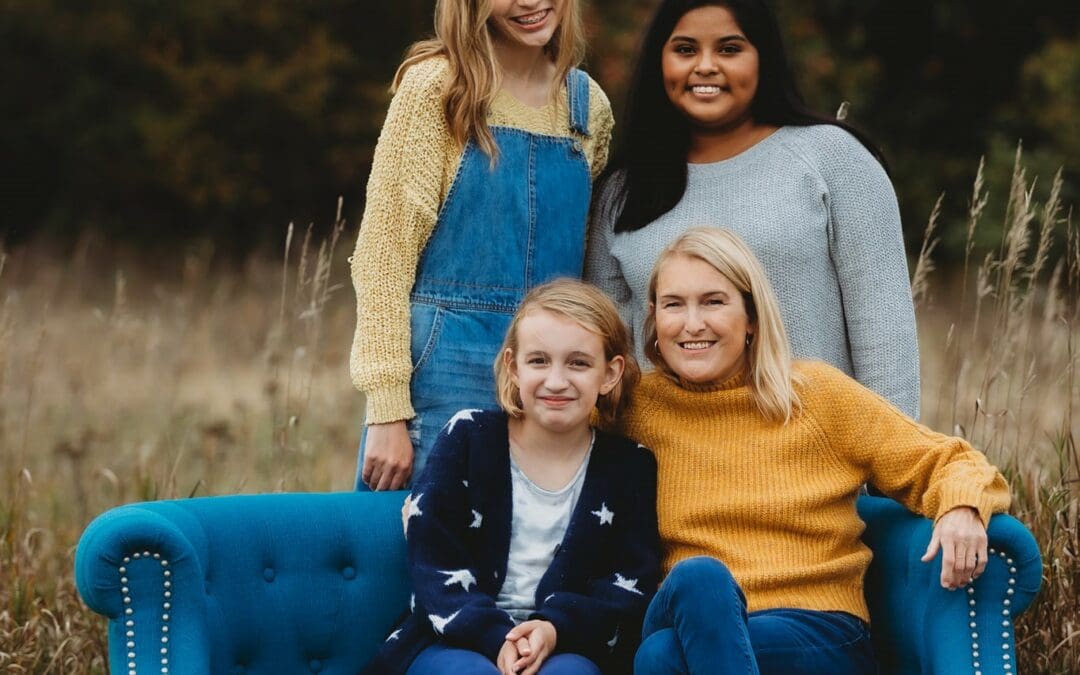
Patients and families affected by Algille Syndrome are The Heart of all we do at the ALGSA. Individual and family stories have significant purpose and bring value in many ways.
q


Testimonials

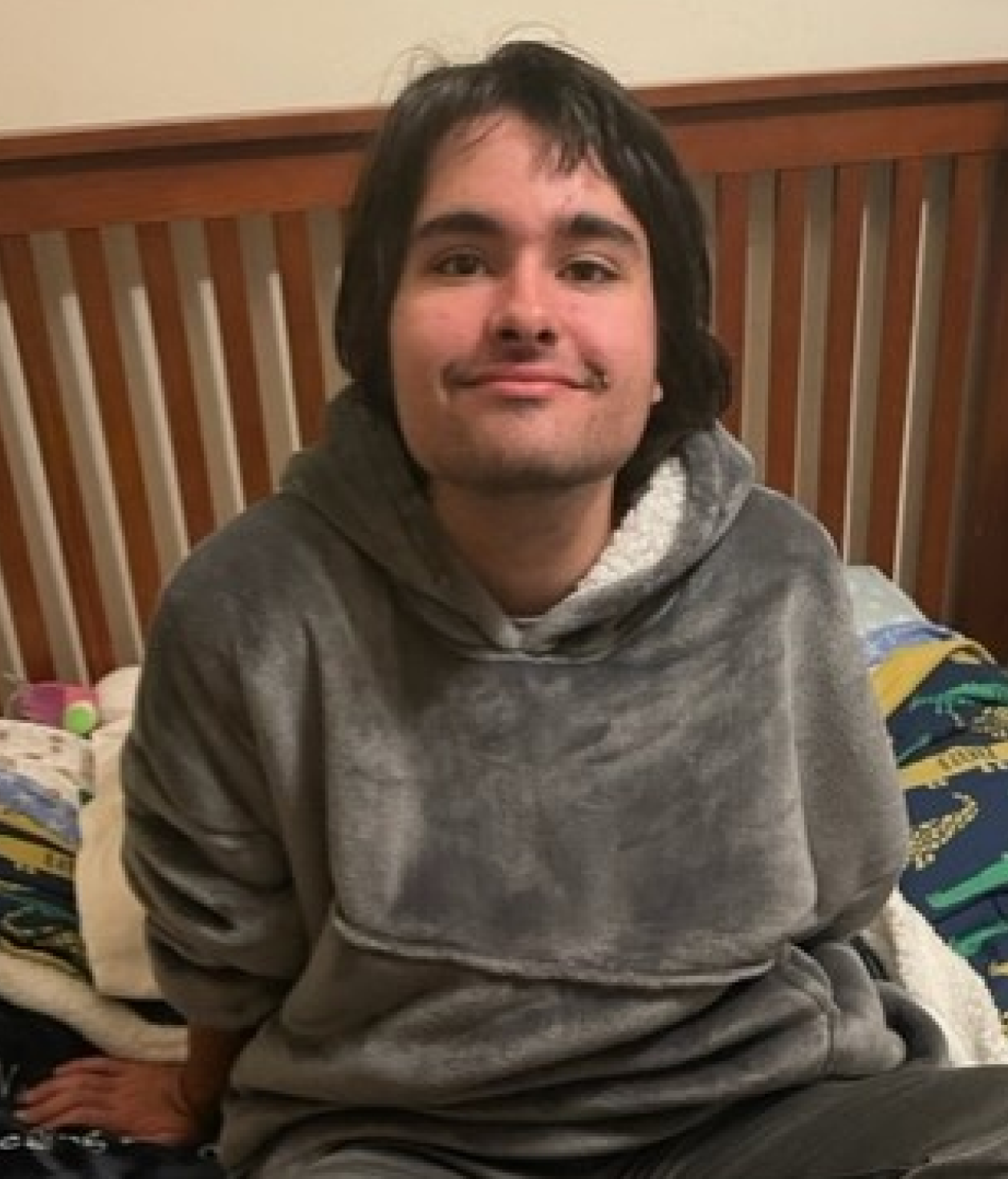
ALGS Mom, Massachusetts
“The financial assistance program literally brought me to tears. Parenting a child with a chronic illness takes more resources. The emotional struggle – worry and stress – about my son’s health and well-being has been overwhelming. Very often a community of relatives and friends can’t understand the family dynamic that includes a child with a life-threatening illness. This has caused isolation for my son and me. Holding it together financially has been close to impossible and shameful for falling short. Feeling the caring and genuine concern from people who can relate is a tremendous relief. What an amazing connection the Alliance has provided to my son and me. A conversation with the ALGSA quickly put me at ease, lifting the feeling of financial shame, and empowering me. This is the most uplifting connection that I’ve made since my son was diagnosed over 10 years ago.”
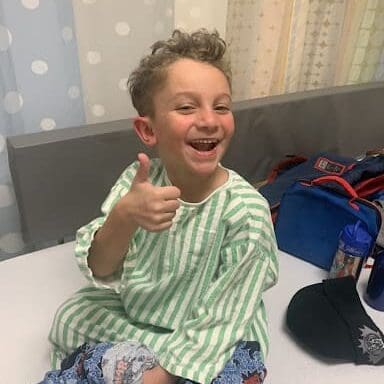
ALGS Mom, Manitoba, Canada
“The ALGSA program has been a great support – from myself being able to follow on social media and connect with other families, to read stories and not feel so isolated. We have access to so many documents that can support our everyday life as we navigate this rare disease – documents for Dante’s teachers and childcare providers, his siblings, and even for me to share to another mother in Indonesia that did not know about the ALGSA website, program and tools to help her better understand and have resources (love the other languages available). “
ALGS Mom, USA
“Thank you endlessly for letting us be part of the Holiday Family Gift Adoption Program this year. Due to illnesses, a large Christmas was not an option. My daughter was screaming happy screams with her gifts. They were absolutely perfect for her. The day after Christmas, my daughter was unfortunately hospitalized. I brought her new toys with her to the hospital, and they were the only things that brought her joy. It means a lot to me to have people who support her and want to help her be successful and happy. It would have been an incredibly long hospital stay and sad Christmas if it was not for the Christmas program.”
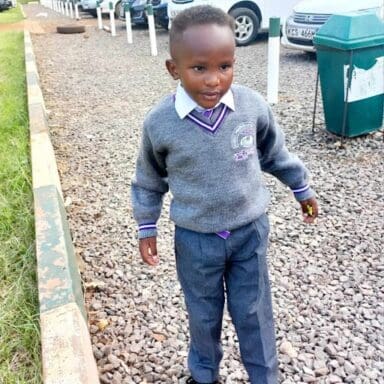
ALGS family, Nairobi, Kenya
“The Christmas program from Alagille Syndrome Alliance helped us so much. We bought our son new school uniforms and paid his school fees to a new school with better hygiene. Our hero is thriving now that we got him to a new school”
Upcoming Events
